Disney’s new Disney Sora deal signals one of the biggest shifts in entertainment and AI this year. The company has signed a three-year partnership with OpenAI that lets Sora generate short videos featuring more than 200 iconic Disney, Marvel, Pixar, and Star Wars characters. The announcement landed alongside news that Disney is also investing $1 billion into OpenAI, a move that shows how seriously the studio is taking generative AI.
The agreement brings a huge library of characters, outfits, props, and even vehicles into Sora. Anyone using the AI video tool will now be able to create animated clips by simply typing a prompt. For the first time, fans can pull characters like Mickey Mouse, Ariel, Belle, Cinderella, Baymax, and Simba into AI-generated scenes without breaking copyright rules.
The deal also includes beloved characters from films like Encanto, Frozen, Moana, Inside Out, Monsters Inc, Toy Story, Up, and Zootopia. It doesn’t stop there. Marvel and Lucasfilm characters also make the jump, offering animated or illustrated versions of heroes and villains such as Black Panther, Captain America, Groot, Iron Man, Deadpool, Han Solo, Darth Vader, and iconic Stormtroopers.
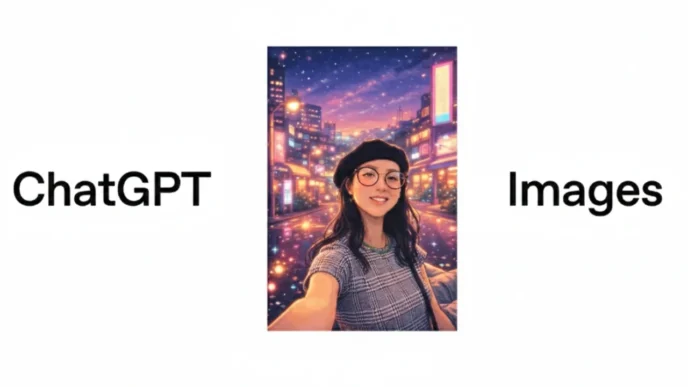
These characters will be available not only in Sora but also inside ChatGPT Images. This means users can generate custom visuals inside ChatGPT by describing what they want to see, creating a seamless creative workflow that was impossible just a year ago.
But Disney also made one thing clear. The agreement does not include the likenesses or voices of actors. Disney is trying to avoid the legal and ethical concerns that have surfaced as AI tools become powerful enough to mimic real people. So while Sora can animate the characters, users won’t get AI versions of Chris Evans or Mark Hamill.
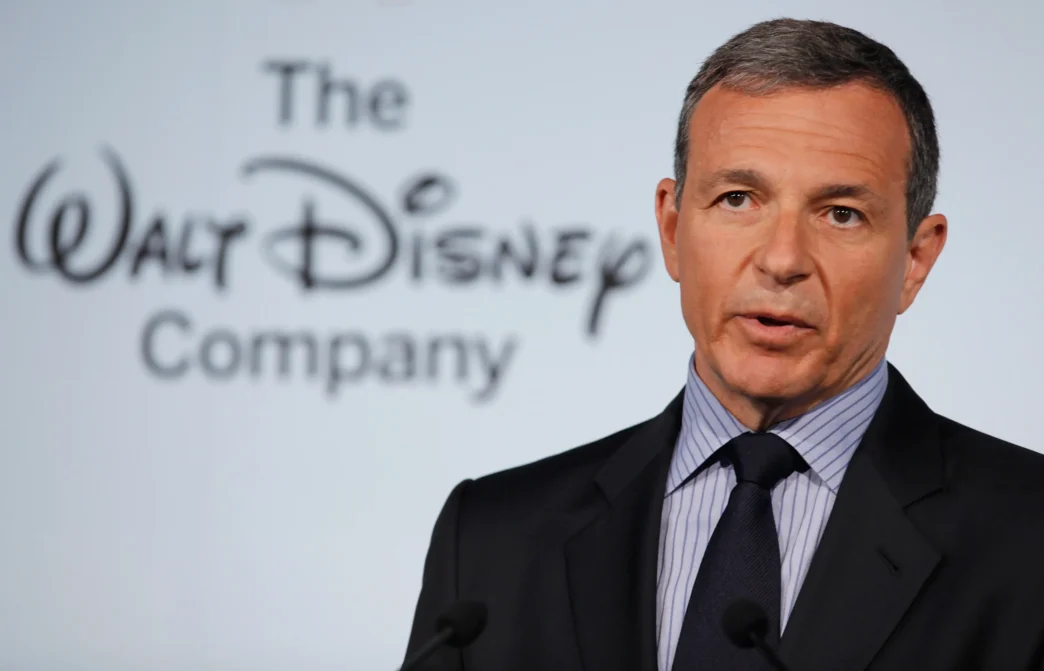
Disney CEO Bob Iger framed the partnership as a turning point. He said the rapid rise of AI represents a major shift for the entertainment industry. He added that Disney wants to explore this new era in a way that protects creators, artists, and the stories that shaped the company’s legacy. The message was simple. Disney wants to innovate, but it doesn’t want to lose control over how its characters are used.
At the same time, Disney confirmed it will become a major customer of OpenAI. The company plans to use OpenAI’s APIs to build new products, tools, and features for Disney+, its parks, and future digital experiences. This means the Disney Sora deal is not just a licensing agreement. It’s part of a deeper strategy to weave AI into the company’s entire ecosystem.
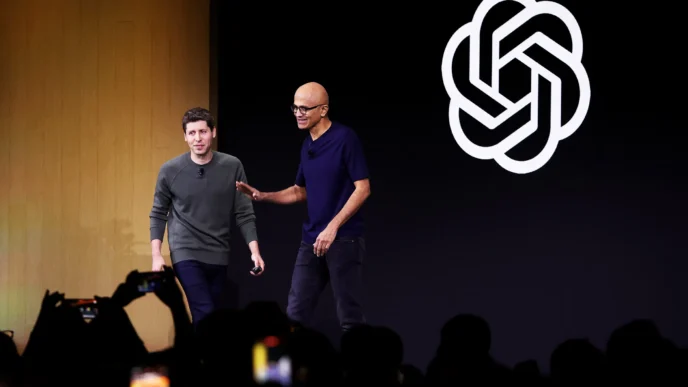
OpenAI CEO Sam Altman called Disney the global gold standard of storytelling. He said the partnership shows how AI companies and creative studios can work together responsibly. This collaboration also gives OpenAI a powerful example of how generative tools can be used by major entertainment brands without triggering massive legal battles.
That point matters because Disney has not been gentle with AI companies in the past. It sued Midjourney for repeatedly ignoring requests to stop using its intellectual property. Disney also issued a cease-and-desist letter to Character.AI for allowing users to create chatbots based on Disney-owned characters.
Those actions suggested that Disney had no interest in working with AI platforms at all. But this new partnership shows that the company isn’t closing the door. Instead, it wants structured, licensed, and controlled access to ensure everything stays within its legal boundaries.
This also shifts the conversation happening inside Hollywood. Studios have been locked in debates about AI’s impact on creative work. Many creators fear generative tools will replace traditional artists or weaken the role of performers. Disney’s approach tries to walk a tight line. It offers access to characters without crossing into talent likenesses or voices. It encourages creativity without losing the guardrails that protect people’s work.
The Disney Sora deal also hints at where the industry is heading. AI-generated scenes from major franchises could influence how fans engage with these worlds. For creators, it opens new ways to storyboard ideas or visualize concepts. For Disney, it creates a channel to reach younger audiences who already create content with AI daily.
And for the broader entertainment industry, it becomes a blueprint. If the world’s biggest storytelling company believes there’s value in partnering with AI platforms, others may follow. Studios like Universal, Warner Bros, or Sony might look for their own controlled pathways into AI, instead of fighting against every platform that experiments with their characters.
All of this shows how fast the AI landscape is changing. One year ago, the idea of official Disney characters inside an AI generator would have sparked outrage in Hollywood. Now, it’s part of a multibillion-dollar plan to reach new audiences and shape the next era of digital storytelling.
Disney’s move doesn’t mean every studio will rush into AI partnerships. Many concerns remain. The industry still needs clear rules around rights, attribution, royalties, and the long-term impact on human creativity. Yet this deal sets the tone for what responsible adoption could look like.
It’s also a sign that the conversation is shifting from fear to strategy. Disney is choosing to lead instead of resist. And in doing so, it shows that AI doesn’t have to replace creativity. It can expand it, as long as the people behind the characters remain protected.
The next few years will reveal how this partnership evolves. Fans may get new interactive experiences inside Disney+. Creators might get AI-powered tools to help them animate scenes faster. Parks and retail could see new AI-driven attractions or custom merchandise experiences. The Disney Sora deal is the beginning of a much larger shift, one that Disney hopes will strengthen its brand while embracing the future of creative technology.
For now, the biggest takeaway is simple. Disney is not running from AI. It’s shaping it. And with OpenAI by its side, it wants to bring its characters into a new era where storytelling becomes more interactive, more personal, and more accessible to fans everywhere.