AI scientist tools are reshaping research as scientific data grows faster than ever. Labs generate massive datasets, and new papers appear daily, but researchers still spend much of their time manually reviewing literature, juggling fragmented tools, and experimenting through trial and error. Edison Scientific, a San Francisco-based startup, aims to change that by building an AI scientist that can read papers, analyze complex datasets, and assist in designing experiments.
The company recently closed a $70 million seed round at a valuation of around $250 million. The round was co-led by Spark Capital, Triatomic Capital, and a major U.S. biotech investor. High-profile angels, including Google Chief Scientist Jeff Dean and CrowdStrike co-founder Dmitri Alperovitch, also joined the funding. Edison’s mission is clear: give researchers a digital lab partner that accelerates discovery and reduces repetitive work.
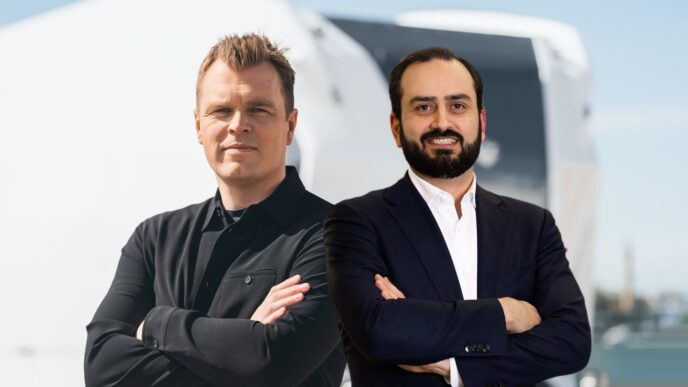
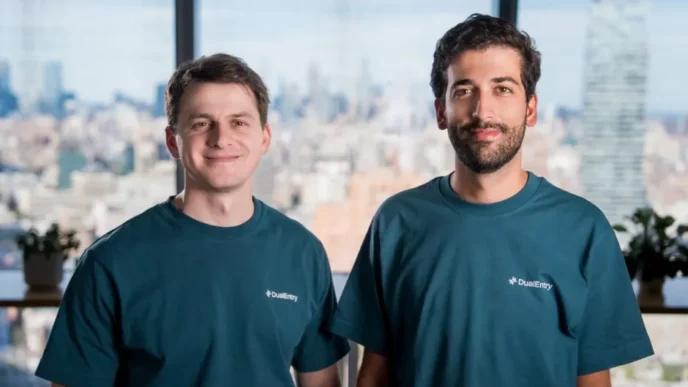
Edison emerged as a spinout from FutureHouse, a nonprofit AI biology lab founded in 2023 to build autonomous AI tools for scientific research. CEO and co-founder Sam Rodriques is a physicist and bioengineer with experience in brain mapping and transcriptomics. His co-founder, Andrew White, has led multiple AI-for-chemistry projects, including ChemCrow and PaperQA. Together, they are creating technology that acts less like a traditional software tool and more like an intelligent research partner.
At the heart of Edison’s platform is Kosmos, an AI scientist capable of running extended research campaigns on a single scientific question. Users input a research goal along with one or more datasets. Kosmos then iterates between data analysis, literature review, and hypothesis generation, ultimately producing a fully cited research report. Early adopters report that Kosmos can compress months of work into just a single day, giving scientists more time for high-level thinking and lab experiments.
Kosmos operates with a network of specialized agents that handle tasks such as literature synthesis, molecular design, and precedent searches. These agents are integrated into a unified platform that works seamlessly with existing lab data and workflows. Early projects have included identifying therapeutic targets, mapping complex molecular structures, and prioritizing candidate molecules, helping to shorten the time from concept to experiment-ready ideas. Unlike companies such as Periodic Labs, Lila Science, and Chai Discovery, Edison focuses on augmenting decision-making rather than controlling the entire research process.
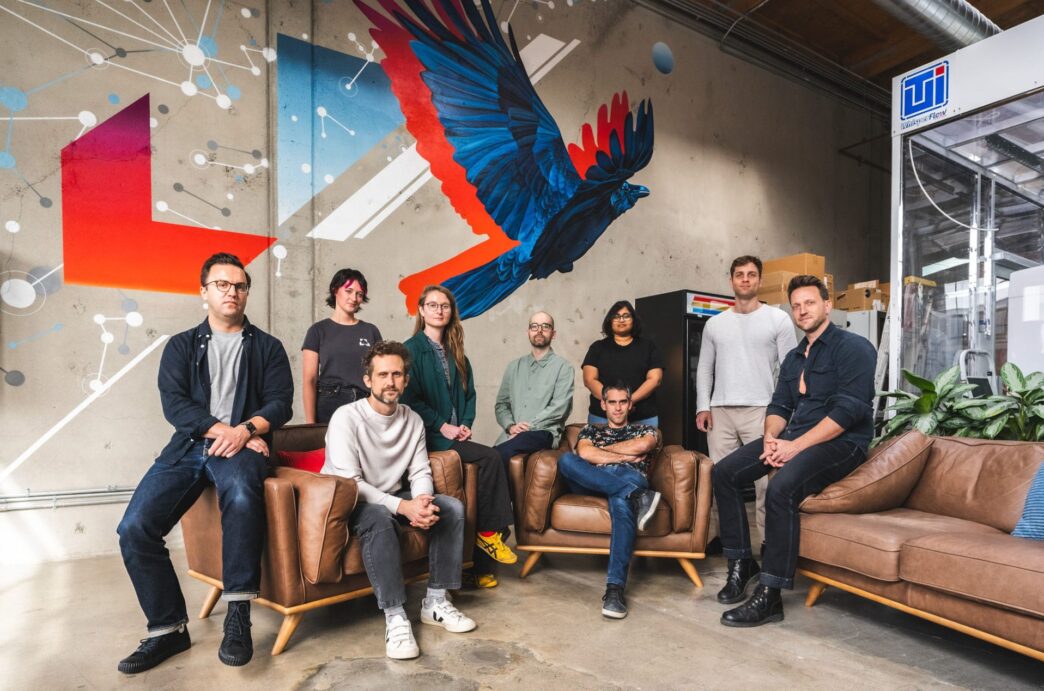
With roughly 30 employees, Edison plans to use the new funding to expand its team across AI, biology, chemistry, and engineering. The company’s goal is to turn early traction into a commercial rollout that makes Kosmos accessible to more labs and researchers worldwide. Part of this expansion involves enhancing Kosmos’ autonomy, integrating it more deeply with lab information systems, and expanding the range of assistant-style agents that perform task-specific functions like data analysis or precedent searches.
Edison’s approach is part of a broader trend in scientific AI: combining machine learning with domain expertise to accelerate discovery. By giving researchers an AI scientist as a partner, the startup hopes to reduce bottlenecks in experimental design, speed up literature reviews, and uncover new insights faster than ever before. The team envisions a future where scientists spend less time on repetitive tasks and more time on creative problem-solving, driving breakthroughs in biology and chemistry.
As Edison moves forward, its technology could transform how labs operate, allowing research institutions, pharmaceutical companies, and biotech startups to leverage AI-driven insights for faster innovation. With funding secured and a strong team in place, the company is poised to redefine the role of AI in science.
Edison also plans to explore partnerships with universities, research hospitals, and biotech firms to expand Kosmos’ real-world applications. By collaborating with established institutions, the startup aims to test the AI scientist in diverse experimental settings, gather feedback from frontline researchers, and refine its algorithms for even greater accuracy. These partnerships could accelerate adoption across the scientific community and demonstrate how AI-driven research assistants can become an essential part of modern laboratories.