
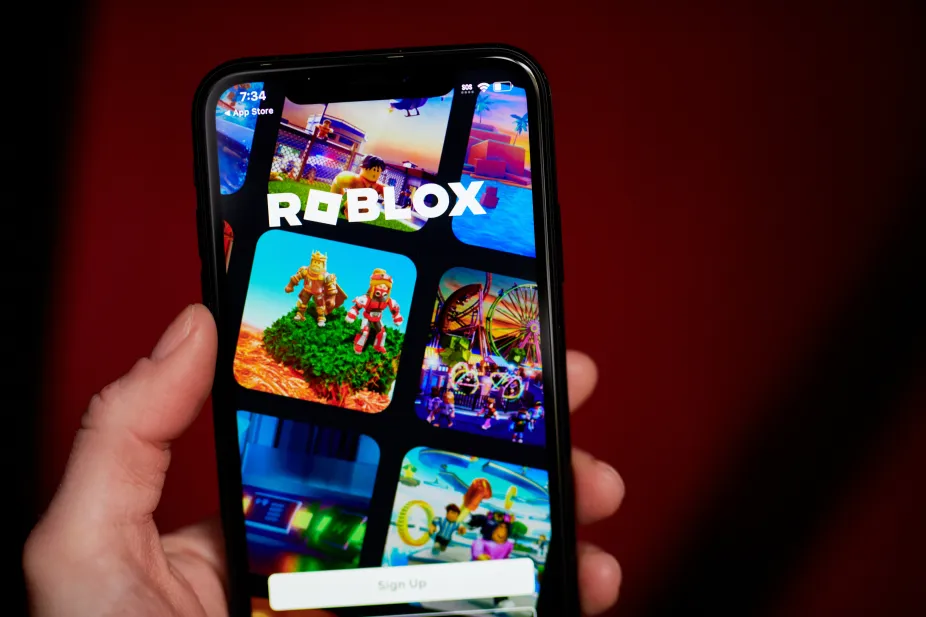
Roblox age verification chat access has entered a new phase as the platform begins enforcing mandatory age checks for users worldwide who want to use communication features. After months of legal pressure, public scrutiny, and limited regional testing, the company is now making facial or ID-based age verification a global requirement tied directly to chat access. While users can still play games without completing verification, the social side of Roblox now comes with stricter identity confirmation.
The move reflects a broader shift inside Roblox, which has faced increasing criticism over how it protects younger players. For years, Roblox relied on self-reported birth dates during account creation. That system proved easy to bypass and difficult to enforce at scale. As regulators and parents raised alarms, the company began searching for a stronger solution that could verify age without collecting permanent biometric data.
Under the new system, users who want to chat must open the Roblox app, grant camera access, and complete a short guided facial scan. The process uses real-time video analysis to estimate age rather than identify a specific individual. Roblox says images and videos are deleted immediately after verification. The verification itself is handled by Persona, a third-party vendor already used across fintech and online platforms for compliance checks.
Roblox emphasizes that facial verification is not the only option. Users who are 13 or older can instead choose to verify their age with government-issued identification. This alternative is designed to give older teens and adults more control over how they confirm eligibility for chat features. Younger users, however, will typically rely on facial estimation or parental verification tools.
The company has been careful to frame the change as optional at the account level but required for communication. You can still explore games, create experiences, and participate in Roblox’s virtual economy without completing an age check. However, messaging, voice chat, and age-based communication are now locked behind verification. This distinction allows Roblox to claim it is not forcing biometric checks on every user while still limiting social interactions to verified accounts.
Age estimation systems are not perfect, and Roblox acknowledges that mistakes can happen. If the system incorrectly assigns a user to the wrong age group, Roblox allows appeals through additional verification steps. These include submitting an ID, repeating the facial scan, or using parental controls that allow guardians to update a child’s age after review. Roblox says it will also prompt repeat verification when user behavior strongly suggests a mismatch between estimated age and activity patterns.
Behind the scenes, Roblox combines facial estimation with behavioral signals. According to the company, activity patterns, interaction styles, and usage trends help flag accounts that appear significantly older or younger than their verified group. When that happens, users may be asked to reverify. Roblox argues that this layered approach improves accuracy over time and helps reduce intentional age misrepresentation.
Once verification is complete, users are placed into one of six age groups. These range from under nine to twenty-one and older. Chat access is structured so users can communicate only with people in their own group and adjacent age brackets. This design aims to reduce large age gaps while preserving some flexibility for family members or close-age friends who fall on either side of a cutoff.
For example, a user between nine and twelve can chat with peers in the same range, slightly younger users, and slightly older teens. However, they cannot directly message adults. Roblox believes this graduated system limits exposure to inappropriate interactions while avoiding overly rigid walls that could fragment social play.
Children under nine face the strictest rules. Chat is disabled by default for this group unless a parent explicitly provides consent after completing an age check. Roblox says this safeguard reflects the higher vulnerability of very young users and the concerns raised by child safety advocates. Parents retain the ability to manage permissions through Roblox’s existing parental control dashboard.
The global rollout follows a short testing period in select markets. During those tests, Roblox evaluated user compliance, system accuracy, and appeal rates. While the company has not released detailed metrics, it says the results supported a broader launch. The timing also coincides with mounting legal challenges in the United States.
State attorneys general in Texas and Louisiana have filed lawsuits accusing Roblox of failing to adequately protect children from grooming, sexual content, and other harmful interactions. These cases cite reports that minors were exposed to inappropriate behavior through in-game chat and social features. While Roblox denies systemic wrongdoing, it has acknowledged the need for stronger safeguards.
The lawsuits are part of a wider regulatory trend targeting platforms popular with minors. Governments are increasingly skeptical of self-regulation and voluntary safety tools. Mandatory age verification, even when limited to certain features, is becoming a favored policy lever. Roblox’s move positions it ahead of some competitors but also places it under closer scrutiny regarding privacy and data handling.
Privacy concerns remain central to the debate. Facial age estimation has drawn criticism from digital rights groups who worry about biometric data collection. Roblox counters that it does not store facial images and that Persona deletes all data once verification is complete. The company insists it does not use the scans for identity recognition or advertising and that the sole purpose is age estimation.
Even so, trust will be critical. Roblox’s user base includes millions of children and teens, along with parents who are increasingly cautious about data practices. Clear communication about how verification works and how data is handled will likely determine how smoothly adoption proceeds.
From a product perspective, the change reshapes how social interaction works on Roblox. The platform has long marketed itself as a place to play and socialize. Limiting chat to verified users introduces friction but also promises a safer environment. Roblox appears willing to accept some drop-off in engagement if it reduces risk and regulatory exposure.
The company also gains more reliable age segmentation. This could influence future features, moderation tools, and even monetization strategies. Age-appropriate experiences, advertising controls, and content recommendations all become easier when user age data is more trustworthy.
For developers on Roblox, the update may change how communities form. Games that rely heavily on chat may see shifts in participation as unverified users lose access. Over time, however, verified chat could improve community quality by reducing anonymous misuse.
Roblox frames the rollout as an evolution rather than a reaction. In its messaging, the company stresses that relying on self-declared birthdays is no longer sufficient in a platform of its scale. By introducing layered age checks, Roblox aims to align with emerging global standards for child safety online.
Whether the move satisfies regulators remains to be seen. Lawsuits and investigations will likely continue, and Roblox may need to expand verification or moderation measures further. Still, mandatory age checks tied to chat access mark one of the most significant safety changes in the platform’s history.
For users, the message is clear. Playing remains open, but social interaction now comes with verification. Roblox is signaling that chat is a privilege tied to accountability, not an automatic feature. As online platforms face growing pressure to protect minors, Roblox’s approach could become a model others are forced to follow.