AI video startup Higgsfield has surged into the top tier of generative media companies after securing a massive extension to its Series A funding that pushes its valuation to a staggering $1.3 billion. The company quietly sold an additional $80 million in shares on top of its earlier $50 million raise, bringing total Series A funding to $130 million. This latest round confirms that investor appetite for AI-powered creative tools remains intense, especially for platforms showing real revenue momentum rather than hype alone.
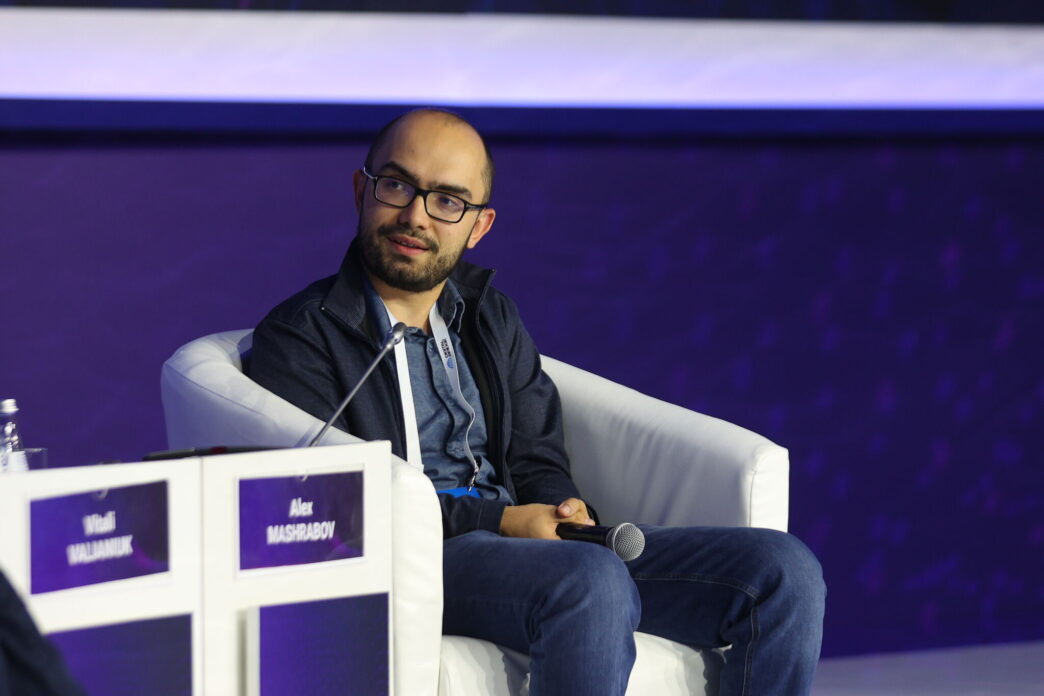
Founded by Alex Mashrabov, Higgsfield is positioning itself as a serious production engine for modern digital media teams. Mashrabov previously led generative AI efforts at Snap after the company acquired his earlier startup, AI Factory, in a $166 million deal in 2020. That background has shaped Higgsfield’s approach from day one, blending consumer-friendly creation tools with infrastructure designed for scale, speed, and professional output.
Higgsfield’s core product allows users to generate and edit AI-powered videos with minimal friction. Creators can build short-form content, branded social clips, and cinematic-style sequences without traditional production costs. While many AI video tools chase novelty, Higgsfield has focused on usability and throughput. This focus appears to be paying off. Just five months after launch, the company reported 11 million users. Nine months in, that number has climbed beyond 15 million, a growth curve that places Higgsfield among the fastest-scaling creative platforms in recent memory.
Revenue growth has been even more striking. Higgsfield says it is now operating at a $200 million annual revenue run rate. That figure reportedly doubled from $100 million in roughly two months, a signal that monetization is keeping pace with adoption. In a market crowded with experimental AI products, this level of revenue traction has become a key differentiator for investors and enterprise customers alike.
The company believes its growth profile puts it in rare territory, outpacing the early expansion curves of companies like OpenAI, Slack, Zoom, Cursor, and Lovable. While such comparisons are always debatable, the underlying point is clear. Higgsfield is not growing like a niche creative app. It is scaling like a platform with broad commercial relevance and global reach.
A major part of that momentum comes from how the product is being used. Higgsfield has shifted its messaging to emphasize professional adoption, especially among social media marketers and brand teams. The company says a large share of its active usage now comes from professionals managing campaigns, creators producing sponsored content, and agencies building high-volume video assets for clients. This transition is critical as the AI video market matures and scrutiny around low-quality automated content intensifies.
By leaning into professional workflows, Higgsfield aims to distance itself from the perception of being an “AI slop” generator. The platform highlights use cases in fashion marketing, cinematic storytelling, and brand-driven narratives that demand consistency and polish. Many users share projects inspired by Hollywood-style visuals, stylized product launches, and editorial storytelling formats that would traditionally require large crews and budgets.
At the same time, the company has not been immune to controversy. Like many generative platforms, Higgsfield has been used to create provocative and offensive content. A recent viral video titled “Island Holiday” depicted real individuals referenced in the Epstein files alongside fictional characters in a fabricated scenario. The video drew widespread backlash and raised renewed questions about safeguards, moderation, and ethical responsibility in AI-generated media. Higgsfield declined to promote or link to the content, but its existence highlights the broader challenges facing the industry.
This dual reality underscores the tension at the heart of generative video. On one side, tools like Higgsfield unlock creative power at an unprecedented scale. On the other, they lower the barrier for misuse and misinformation. How companies navigate that tension will shape not only public trust but also regulatory attention in the months ahead.
Despite these concerns, investor confidence remains strong. The Series A extension attracted backing from Accel, Menlo Ventures, AI Capital Partners, and GFT Ventures. These firms are known for supporting category-defining platforms rather than short-lived trends, signaling belief in Higgsfield’s long-term trajectory.
Investors are betting that video will remain the dominant format across social platforms, advertising, and entertainment. As algorithms increasingly favor motion over static posts, brands face constant pressure to produce more video at higher quality and lower cost. Higgsfield’s pitch is simple but powerful. It promises to compress production timelines, reduce creative friction, and allow small teams to operate at enterprise scale.
Mashrabov’s experience at Snap has also influenced Higgsfield’s product philosophy. Rather than targeting filmmakers alone, the company designs for speed, iteration, and performance metrics. Videos are built to test, optimize, and deploy across platforms where attention spans are short and trends shift daily. This alignment with real-world marketing needs has helped Higgsfield move quickly from experimentation to revenue.
Looking ahead, the company is expected to deepen its enterprise features while expanding creative controls for advanced users. As competition intensifies in AI video, differentiation will hinge on reliability, brand safety, and integration with existing workflows. Higgsfield’s early traction gives it a strong starting position, but sustained leadership will require careful balance between openness and control.
For now, the numbers speak loudly. A $1.3 billion valuation, explosive revenue growth, and tens of millions of users place Higgsfield among the most consequential AI media startups of the moment. Whether it becomes a lasting creative backbone or faces growing pains common to fast-scaling platforms will depend on how it manages ethics, quality, and trust at scale.