Capital is less patient today because the environment that once rewarded waiting has collapsed. For more than a decade, capital operated inside an unusual window of stability. Interest rates stayed low. Liquidity stayed high. Public markets rewarded growth stories. Because exits looked inevitable, investors could afford to wait. Time itself felt like a tailwind. That assumption is gone. As a result, patience has become expensive, risky, and often irrational.
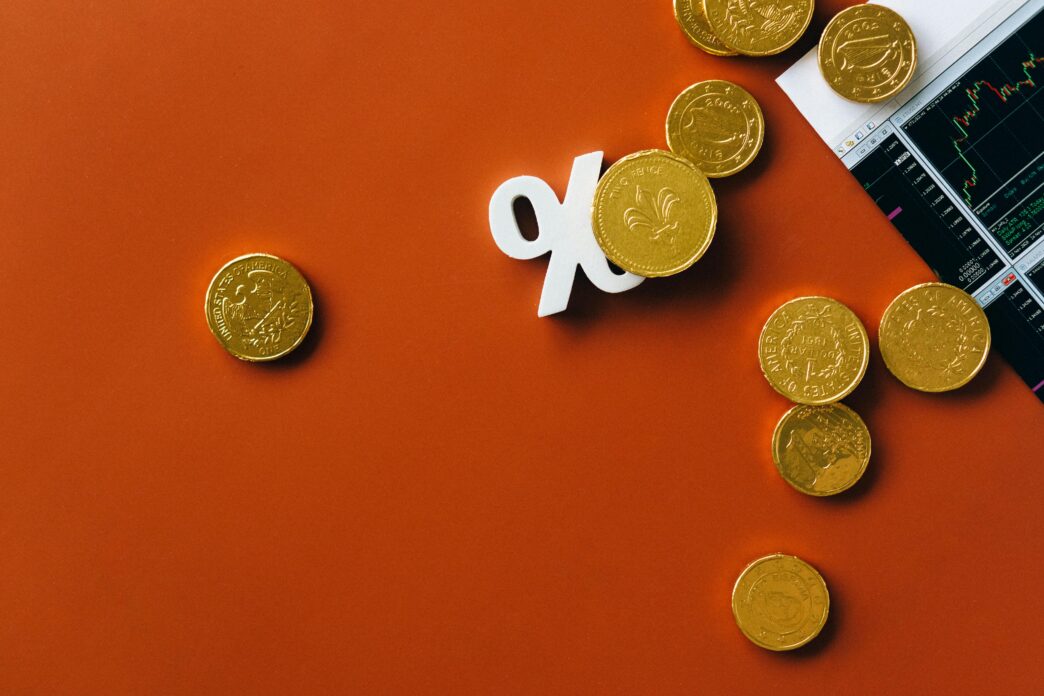
The shift started with money itself becoming costly again. When capital was cheap, the opportunity cost of waiting felt low. Funds could hold positions longer without pressure. Returns could compound quietly. Once rates rose, that logic flipped. Suddenly, every year of delay carried a visible cost. Investors could earn real yield elsewhere. Holding illiquid positions now meant forgoing safer returns. Patience stopped being neutral and started becoming a bet that needed justification.
This change altered how investors evaluate time. Capital now asks what progress happens each quarter, not each cycle. When timelines stretch, scrutiny intensifies. What once felt like healthy incubation now feels like drag. As a result, capital prefers faster proof, earlier signals, and clearer milestones. Waiting without evidence is no longer strategic. It is perceived as negligence.
Market volatility also plays a role. Public markets have become more reactive and less forgiving. When multiples compress quickly, private valuations lose their anchor. Investors fear being trapped between a falling public market and illiquid private assets. That fear shortens horizons. Capital wants flexibility. Patience locks capital in place. In uncertain markets, flexibility wins.
Fund structure compounds this pressure. Many funds raised at peak optimism with expectations shaped by a different era. Limited partners now demand clarity. Distributions matter again. When returns slow, patience looks like underperformance. Managers feel pressure to show movement, recycle capital, or cut losses. Even investors who value long-term thinking operate inside structures that punish it.
Competition also changed. Capital is more crowded, more informed, and more synchronized. Signals travel fast. When one investor hesitates, another moves. When markets shift, consensus shifts instantly. In that environment, waiting feels risky because narrative control disappears. Capital prefers decisive action to avoid being stranded on the wrong side of sentiment.
The nature of companies seeking capital has changed too. Many startups are built on faster feedback loops. Distribution is measurable. Usage is visible. Revenue data arrives early. Because signals appear sooner, patience feels less necessary. Investors believe they should know quickly whether something works. If the data fails to convince early, capital moves on rather than waiting for transformation.
This mindset reinforces itself. Founders are pushed to show results faster. That pressure shapes company behavior. Teams optimize for near-term metrics. Long arcs feel dangerous. When companies stop planning for slow breakthroughs, capital sees fewer reasons to wait. The ecosystem trains itself to be impatient.
Narratives around discipline and rigor also matter. After years of excess, restraint became a virtue. Cutting, focusing, and reallocating capital feel responsible. Waiting feels indulgent. Patience is reframed as tolerance for inefficiency. That reframing changes how decisions are justified internally. Investors defend exits, shutdowns, and pullbacks as prudence rather than panic.
Global uncertainty adds another layer. Geopolitics, regulation, and macro shocks introduce risks that patience cannot smooth out. Time no longer guarantees improvement. It sometimes increases exposure. When future conditions are unpredictable, capital values optionality over endurance. Shorter commitments feel safer.
Technology cycles have also accelerated. What looks early today can look obsolete tomorrow. Capital fears missing the window more than missing the upside. That fear drives faster decisions. Patience implies confidence in durability. Many investors are no longer sure durability exists in the same way.
Even success stories have shortened expectations. The market celebrates rapid scaling and fast exits. Long, quiet compounding attracts less attention. Cultural reinforcement matters. When benchmarks highlight speed, patience becomes countercultural.
Large institutional behavior reinforces the trend. Groups like SoftBank experienced the downside of extended patience during rapid market reversals. Highly visible losses reshaped collective memory. Capital learns socially. When patience burns high-profile players, others adjust quickly.
Growth funds that once embraced long horizons now emphasize discipline. Firms such as Tiger Global pulled back after rapid deployment exposed timing risk. The lesson absorbed by the market was not subtle. Speed into patience without control can be fatal. The reaction has been tighter timelines, not looser ones.
Even traditionally patient firms have adapted. Sequoia Capital publicly shifted tone toward efficiency and survival during downturns. That messaging matters. When long-term investors talk about conserving cash and extending runway, patience becomes conditional rather than assumed.
Macroeconomic policy accelerated the shift. Actions by the Federal Reserve reshaped risk-free returns and recalibrated what waiting costs. Capital always responds to incentives. When safe alternatives pay, patience in risky assets demands higher conviction.
Less patient capital does not mean irrational capital. It means capital optimizing for a different environment. The rules changed. Time is no longer free. Risk is no longer linear. Visibility is no longer optional. Under those conditions, patience must earn its place.
For founders, this creates tension. Building meaningful companies still takes time. Deep products resist shortcuts. However, capital now demands evidence along the way. The gap between building slowly and proving quickly defines modern strategy. Companies that cannot bridge it struggle to survive.
The result is a market where patience is rare, selective, and expensive. It is reserved for exceptional conviction, not default behavior. Capital still waits when belief is strong. It just no longer waits out of habit.
This environment rewards clarity. Investors want to know what changes with time. If time only delays decisions, patience disappears. If time compounds advantage, patience remains possible. The burden of proof shifted.
Capital is less patient because waiting stopped being safe. In a world where money has yield, markets move fast, narratives shift instantly, and structures punish delay, patience is no longer a virtue by default. It is a strategy that must be defended every step of the way.