Late payment issues continue to drag down Europe’s B2B payments market, and the problem has become more visible as more companies move online. Many businesses still depend on outdated systems that can’t keep up with digital trade.
This creates slow cash flow, higher risk, and missed growth opportunities. That gap has opened the door for fintech players offering modern tools built for today’s pace of commerce. One of the startups leaning hardest into this transformation is Mondu, and J.P. Morgan’s new €100 million bet suggests its approach to fixing Europe’s B2B payments problem is gaining real traction.
The result is a long list of bottlenecks, from slow cash flow to missed growth opportunities. That challenge has created a clear opening for fintech startups trying to modernize how businesses pay each other. One of the companies pushing hardest into this space is Mondu, and J.P. Morgan’s new €100 million bet suggests its approach to Europe’s late payment problem may be gaining real momentum.
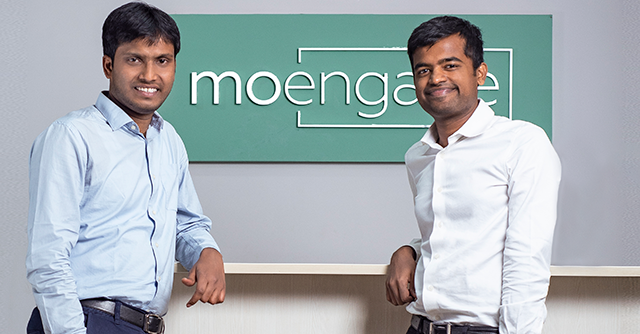
The Berlin-based fintech was founded in 2021 by Malte Huffmann, Philipp Povel, and Gil Danziger. Their goal was simple but ambitious. They wanted to build B2B payment solutions that feel as smooth as consumer checkout experiences. Mondu focuses on removing friction from every step of the transaction. Its tools let buyers and sellers work with more flexible terms, faster processing, and safer payouts. As more businesses adopt digital workflows, this kind of reliability becomes a crucial differentiator.
Mondu’s rapid rise in Europe reflects how urgent this need has become. Earlier this year, the company strengthened its footprint with new partnerships. It teamed up with Payin3, the instalment payment provider, to help merchants offer more choice at checkout. It also partnered with Lemonway, the French modular payment platform widely used by marketplaces and alternative finance players. Each partnership helped Mondu reach more customers across the continent and expand its ecosystem of payment services.
Another step in its strategy arrived when Mondu launched Pay Now. This tool lets merchants serve buyers who prefer to pay directly from bank accounts. It also removes the need for a separate account-to-account provider. The process stays secure and streamlined, giving buyers a simple checkout flow while merchants reduce complexity in their payment stack. As more companies seek to lower costs and improve conversion, this kind of integration becomes more attractive.
The big milestone came today. Mondu secured a €100 million debt facility from J.P. Morgan Payments. For a startup still in its early years, that amount signals strong confidence in both the business model and the speed of adoption. J.P. Morgan’s involvement adds weight to the idea that B2B payments in Europe are entering a new phase of modernization. The facility also gives Mondu the room it needs to expand faster and support a wider range of industries across Europe.
The company already has backing from Valar Ventures, FinTech Collective, and Cherry Ventures. With this new financing, Mondu plans to scale its existing solutions, build new features, and deepen its presence across major European markets. Every part of its growth strategy connects to a bigger question. Can Mondu help fix Europe’s long-standing late payment problem?
The collaboration with J.P. Morgan strengthens that possibility. Mondu has now joined the J.P. Morgan Payments Partner Network, placing it in front of one of the largest pools of corporate clients in Europe. Through the network, Mondu will provide referral-based access to its deferred payment services for both accounts payable and accounts receivable. This creates a pathway for more companies to adopt flexible payment terms without taking on added operational risk.
For J.P. Morgan’s clients, the benefit is clear. They gain access to tools that can improve cash flow, increase conversion, and reduce the financial strain created by slow payments. Mondu’s solutions help companies offer payment terms while staying protected through automated underwriting and real-time risk management. At a time when many European firms struggle with late invoices and tight liquidity, these features matter.
J.P. Morgan Payments executives also highlighted the importance of the shift happening in B2B transactions. Heather Crowley, the bank’s Global Head of Trade and Working Capital Product, expressed excitement about supporting Mondu’s scale-up efforts. She pointed out that B2B payments are going through a major transformation, and Mondu’s coverage across Europe gives businesses a stronger way to manage working capital. She emphasized how better payment tools can help companies grow and operate with more confidence.
Her comments point to the larger market trend. B2B payments have historically evolved more slowly than consumer payments, but the rise of digital commerce is changing expectations. Businesses want immediate confirmations, faster settlement, and flexible financing options. They also want less administrative work. Fintech startups like Mondu are building platforms that make that shift possible.
Philipp Povel, Mondu’s co-CEO, said the partnership with J.P. Morgan represents a major validation of the company’s vision. He explained that the debt facility gives Mondu the ability to accelerate its expansion while staying focused on simplifying the financial lives of businesses. He also noted that joining the J.P. Morgan Payments Partner Network will help Mondu reach more customers across Europe and strengthen its long-term growth plans.
The statements from both sides reflect a shared belief that the transformation of B2B payments is only just beginning. Europe’s late payment problem has persisted for years, and it has slowed the progress of small and medium-sized businesses across the region. Companies often wait weeks or even months to receive payments, and the ripple effects weaken supply chains, limit hiring, and reduce investment.
Mondu’s approach tackles that pain directly. By combining flexible terms with strong risk controls, automated decisioning, and fast payout cycles, it aims to give businesses more stability. It also supports merchants who want to increase sales by offering buyers more payment options at checkout. As J.P. Morgan’s support shows, this approach is gaining industry-wide recognition.
Whether Mondu can solve Europe’s late payment problem entirely remains to be seen. But today’s €100 million financing round, combined with its new partnership network, suggests the company is becoming a serious contender in Europe’s B2B payments landscape. With more digital trade happening every day, the demand for reliable payment infrastructure will only continue to grow.
For now, one thing is clear. Mondu is shaping the future of how businesses pay each other in Europe, and J.P. Morgan is betting big on that vision.