Facebook link posting limit is quietly becoming a new reality for creators and brands experimenting with Meta’s professional tools.
Meta has started testing a restriction that caps how many links certain users can post on Facebook. The limit applies unless the account holder pays for a Meta Verified subscription. The test surfaced after several creators noticed unusual posting limits on their accounts.
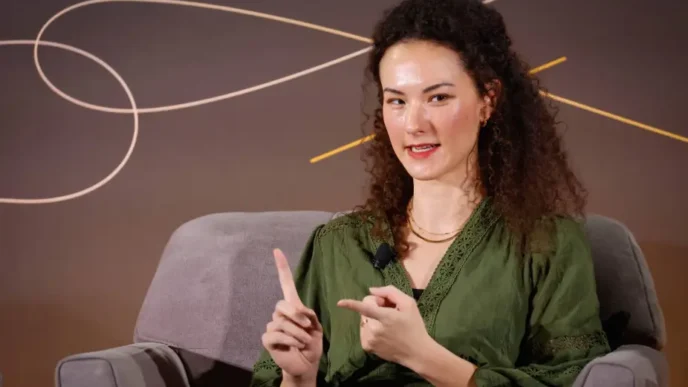
Social media strategist Matt Navarra was among the first to flag the change. According to screenshots he shared, affected users can only publish two link posts unless they subscribe to Meta Verified. That subscription starts at $14.99 per month.
The experiment targets users operating in professional mode and Facebook Pages. Professional mode allows individuals to turn personal profiles into creator-style accounts. These profiles gain broader reach and monetization features but now appear to come with new limitations.
A company spokesperson said the goal is to understand whether allowing more link posts creates added value for Meta Verified subscribers. For now, the test remains limited in scope.
Not all links are treated equally. Users in the test can still share affiliate links without restriction. They can also post links in comments. Links that point to Meta-owned platforms, including Facebook posts, Instagram content, and WhatsApp links, are not affected.
That distinction matters. Many creators rely on external links to drive traffic to blogs, newsletters, shops, or client websites. A Facebook link posting limit directly changes how often they can promote work that lives outside Meta’s ecosystem.
Brands face a similar challenge. Many businesses use Facebook Pages to share articles, landing pages, product updates, and announcements hosted elsewhere. Limiting link posts may force brands to rethink their posting strategies or absorb the cost of a subscription.
Meta says publishers are not included in the current test. That offers some relief to news organizations, at least for now. Still, the boundary between creators, brands, and publishers continues to blur on social platforms.
The company also emphasized that link sharing in comments remains unrestricted. Creators could technically post text-only updates and drop links in replies. However, this approach often reduces visibility and engagement.
Context from Meta’s own data helps explain the experiment. In its transparency report for the third quarter, Meta revealed that more than 98 percent of feed views in the U.S. came from posts without links. Linked posts accounted for just 1.9 percent of views.
Even within that small slice, most views came from Pages users already followed. Linked posts shared by friends or groups barely registered. That data suggests link posts are not driving discovery in the feed.
It is unclear whether this insight directly motivated the Facebook link posting limit test. Still, it aligns with a broader trend across social platforms.
Over the past few years, networks have increasingly favored native content. Platforms want users to stay inside their apps longer. External links break that flow.
X has experimented with demoting posts that include links. Instagram has long limited clickable links in captions. TikTok nudges creators toward in-app shopping and native video over outbound traffic. Meta’s move fits neatly into that pattern.
At the same time, Meta Verified is still evolving. Originally positioned as a verification and safety product, the subscription now includes reach perks, support access, and experimental features. Adding higher link limits reframes the product as a distribution upgrade.
For creators, the test raises uncomfortable questions. Paying to share links was once unthinkable on social platforms. Now, it appears to be inching closer to the norm.
Small creators may feel the impact first. Many depend on frequent link sharing to grow audiences beyond a single platform. A two-link cap forces difficult choices about what gets promoted and when.
Brands with larger budgets may simply treat the subscription as a cost of doing business. That dynamic risks widening the gap between independent creators and well-funded companies.
There is also a strategic angle. If creators hit their link limit, Meta effectively nudges them toward posting Instagram Reels, Facebook-native videos, or text updates instead. Every alternative keeps users inside Meta’s ecosystem.
The timing is not accidental. As AI-generated summaries and search experiences reshape how people find content, the traditional link-based web is under pressure. Publishers have already reported traffic drops as AI answers replace clicks.
Social platforms are responding by tightening control over distribution. Fewer links mean less leakage. More native content means more data, more ads, and more engagement signals.
Still, backlash is possible. Creators value flexibility. Any perceived paywall around basic publishing features risks eroding trust.
For now, the Facebook link posting limit remains a test. Meta has not announced a wider rollout. But the direction is clear.
If the experiment succeeds, link sharing could become another premium feature. If it fails, Meta may tweak the rules or retreat quietly.
Either way, creators and brands should pay attention. The economics of posting links on social platforms are changing fast.