Google dark web report is coming to an end, and the shutdown timeline is now clear. Google has confirmed that the dark web report feature will be discontinued, with scanning for new breaches stopping on January 16, 2026. One month later, on February 16, 2026, the tool will be fully removed and all related user data will be deleted from Google’s servers.
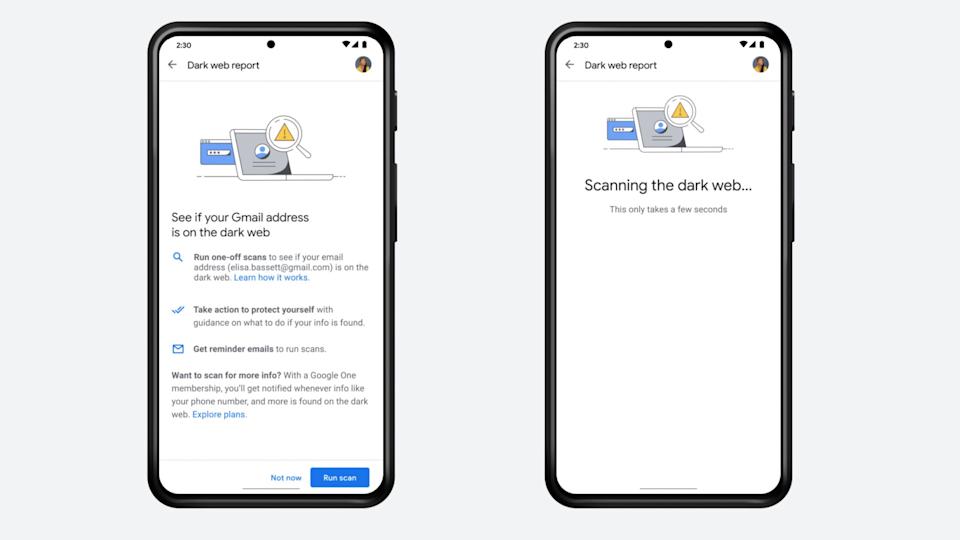
The feature was introduced about a year and a half ago as part of Google’s broader push into consumer security tools. Its goal was simple. Help users find out whether their personal information had surfaced in dark web breach databases that circulate stolen data after hacks.
For many users, the idea sounded reassuring. Once enrolled, the dark web report scanned known breach dumps for details such as email addresses, phone numbers, home addresses, and in some cases Social Security numbers. When a match appeared, Google sent an alert to warn the user that their data had been exposed.
At first glance, the alerts felt useful. Seeing confirmation that your information had leaked could push you to tighten passwords or revisit neglected accounts. For people who reuse credentials or forget about older services, that nudge alone had value.
Over time, however, frustration grew. The biggest complaint was not about accuracy, but about clarity. Users were told their information appeared in breach data, yet they often had no idea which service caused the leak. Without knowing the source, the next steps felt vague and repetitive.
Reddit threads and user discussions reflected the same issue again and again. People said the tool raised concern but offered little direction. In many cases, the only obvious response was to change passwords, even though users did not know which accounts were actually affected.
Google acknowledged this gap directly. On its support page, the company said feedback showed the dark web report did not provide helpful next steps for users facing identity risks. That shortcoming played a major role in the decision to shut the feature down.
Google says it now wants to focus on security tools that guide users toward clear actions rather than passive alerts. The company stressed that it is not stepping away from defending users against online threats, including activity tied to the dark web. Instead, it plans to invest in protections that reduce harm more directly.
As part of that shift, Google is pointing users toward tools it already offers. Security Checkup reviews account settings and highlights weak points. Password Manager generates unique passwords and stores them securely. Password Checkup alerts users when saved credentials appear in known compromised datasets.
These tools differ from the dark web report in one key way. They connect alerts to immediate fixes. When a password is flagged, the affected account is identified, and the user can change it on the spot. That kind of specificity is what the dark web report struggled to deliver.
The shutdown timeline matters for anyone who relied on the feature. Google says scans for new dark web breaches will stop on January 16, 2026. After that date, users should not expect fresh alerts. On February 16, 2026, the dark web report will be officially discontinued, and Google will delete all related monitoring data.
Users who prefer not to wait until the final shutdown can delete their monitoring profiles manually. Google says this can be done by going to Results with your info, selecting Edit monitoring profile, and choosing Delete monitoring profile at the bottom of the page. Once deleted, the profile will no longer be monitored.
Emails have already gone out to affected users, according to reports first spotted by 9to5Google. The notices explain the dates and outline what happens to stored data after the feature is removed.
The end of Google dark web report also highlights a broader issue with consumer security products. Monitoring alone does not stop identity theft. Alerts can inform you that something went wrong, but they do not prevent account takeovers or financial loss on their own.
Real damage usually happens when attackers gain access to accounts. Email accounts are often the first target because they allow password resets elsewhere. From there, attackers can move into banking, shopping, cloud storage, and social media accounts.
That reality explains why Google and other platforms are pushing harder on prevention. Unique passwords, passkeys, and two step verification reduce the chance that leaked data leads to immediate harm. These measures do not erase exposure, but they limit what attackers can do with it.
Another source of confusion for users is the difference between dark web monitoring and search visibility. Google’s Results about you feature, which helps remove personal information from search results, is not going away. That tool addresses public exposure on the open web, not breach data circulating in private forums.
As Google retires the dark web report, users who still want breach awareness will need to rely on other options. Independent services that track known data leaks can still help identify exposure. Government resources also provide guidance when sensitive information, such as Social Security numbers, is involved.
The bigger lesson from this shutdown is about expectations. People want security tools that do more than warn. They want tools that tell them exactly what to fix and help them fix it fast. When a product cannot bridge that gap, it risks becoming noise rather than protection.
Google’s decision suggests future security features will focus less on passive reporting and more on guided workflows. That could mean deeper integration between alerts and account controls, or more automation that locks down accounts when risks appear.
For users, the takeaway is practical. If you used Google dark web report, mark the January and February dates. Review your key accounts now. Strengthen passwords, enable stronger sign in methods, and clean up old profiles you no longer use.
The feature may be disappearing, but the underlying risk remains. Data breaches are not slowing down. What matters is how quickly and clearly security tools help people respond. Google is betting that clearer actions, not broader monitoring, are the better path forward.