OpenAI is accelerating its comeback push with the release of GPT Image 1.5, a new image generation model built directly into ChatGPT. The launch reinforces the company’s internal “code red” mindset as it works to reclaim momentum in a rapidly intensifying AI race.
GPT Image 1.5 promises sharper instruction-following, more precise edits, and image generation speeds that are up to four times faster than before. The model is now available to all ChatGPT users and developers through the OpenAI API, signaling that this is a mainstream upgrade rather than a limited experiment.
The timing is significant. OpenAI is under pressure after Google surged ahead with Gemini 3 and Nano Banana Pro, both of which recently topped the LMArena leaderboard across multiple benchmarks. That momentum shift reportedly triggered internal alarm bells at OpenAI, culminating in a leaked memo where CEO Sam Altman warned staff that the company was losing its edge.
GPT Image 1.5 appears to be a direct response to that challenge. While OpenAI introduced GPT-5.2 last week as its most advanced model for developers and professional users, Google has maintained a lead in several multimodal benchmarks. Image generation has become one of the most visible battlegrounds in that competition.
Unlike earlier image models, GPT Image 1.5 focuses heavily on iteration and consistency. Previous tools often struggled when users asked for small changes, such as tweaking lighting or adjusting facial expressions. Instead of making minor edits, models would frequently reinterpret the entire image, breaking continuity and wasting time.
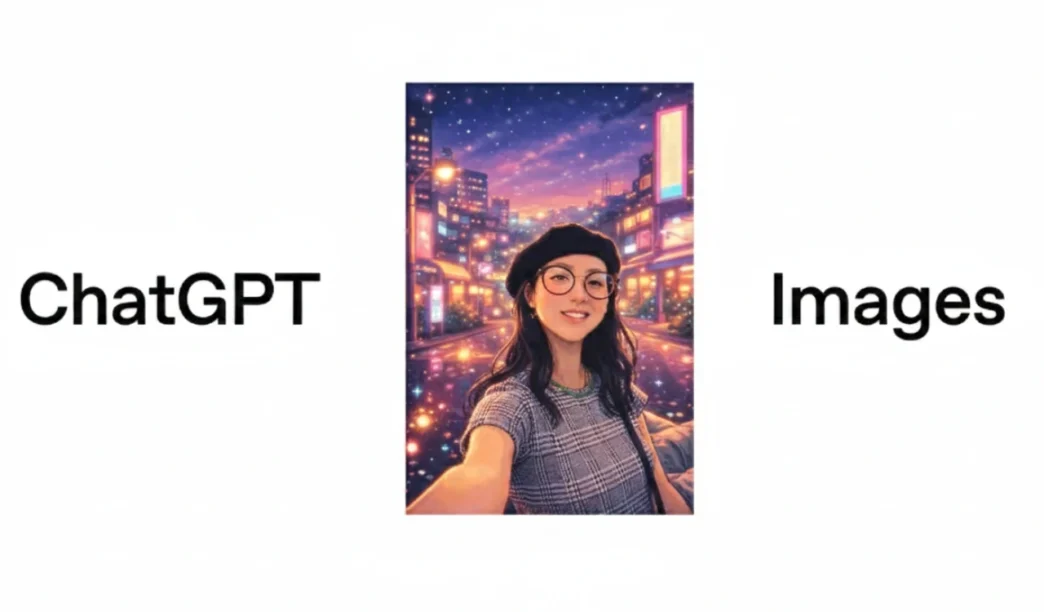
OpenAI says GPT Image 1.5 addresses that issue head-on. The model allows users to apply granular edits while preserving key visual elements like facial likeness, lighting balance, composition, and color tone. This brings ChatGPT Images closer to real post-production workflows used by designers and creative teams.
That improvement matters because iteration is where most generative image tools fall short. Creative work rarely succeeds on the first attempt, and without reliable edits, AI image generators remain novelty tools. GPT Image 1.5 aims to push ChatGPT Images into a more production-ready category.
The release also reflects how quickly OpenAI moved. The company’s last image model, GPT Image 1, launched in April, and reports suggest a follow-up was originally planned for early January. This week’s announcement suggests those timelines were pulled forward in response to competitive pressure.
Beyond the model itself, OpenAI is changing how users interact with images inside ChatGPT. Images now have a dedicated entry point in the ChatGPT sidebar, designed to function more like a creative studio than a traditional chat interface. This shift is meant to support deeper visual workflows rather than one-off prompts.
Fidji Simo, OpenAI’s CEO of applications, explained that the updated image experience makes it easier to refine ideas and draw inspiration. The new interface surfaces trending prompts, preset filters, and clearer editing views, helping users shape visuals without restarting from scratch.
This update is part of a broader effort to make ChatGPT more visual overall. OpenAI plans to show more images in search-style queries, paired with clear source attribution. That approach is especially useful for tasks where visuals communicate faster than text, such as conversions, diagrams, or live information like sports scores.
The underlying idea is straightforward. When visuals tell a story better than words alone, ChatGPT should include them. When the next step lives in another tool, the experience should make that transition seamless.
GPT Image 1.5 fits squarely into that vision. By improving speed, control, and consistency, OpenAI is trying to reduce the gap between what users imagine and what they can actually create. The focus is shifting away from prompt wrestling and toward outcome-driven creation.
Image generation is no longer a side feature for AI platforms. It has become a core competitive differentiator, especially as tools move from experimentation to daily professional use. OpenAI’s latest release shows that the company understands what is at stake.
With GPT Image 1.5, OpenAI is not just adding features. It is signaling urgency, focus, and a willingness to ship faster in response to real competition. The “code red” mindset is now clearly reflected in the product roadmap.