LinkedIn profile verification is moving from a nice-to-have feature to a core trust signal in 2025, and India is emerging as the fastest-growing market driving that shift. As online professional platforms struggle with fake accounts, impersonation, and low-quality engagement, LinkedIn is leaning harder into verification as a way to restore credibility at global scale.
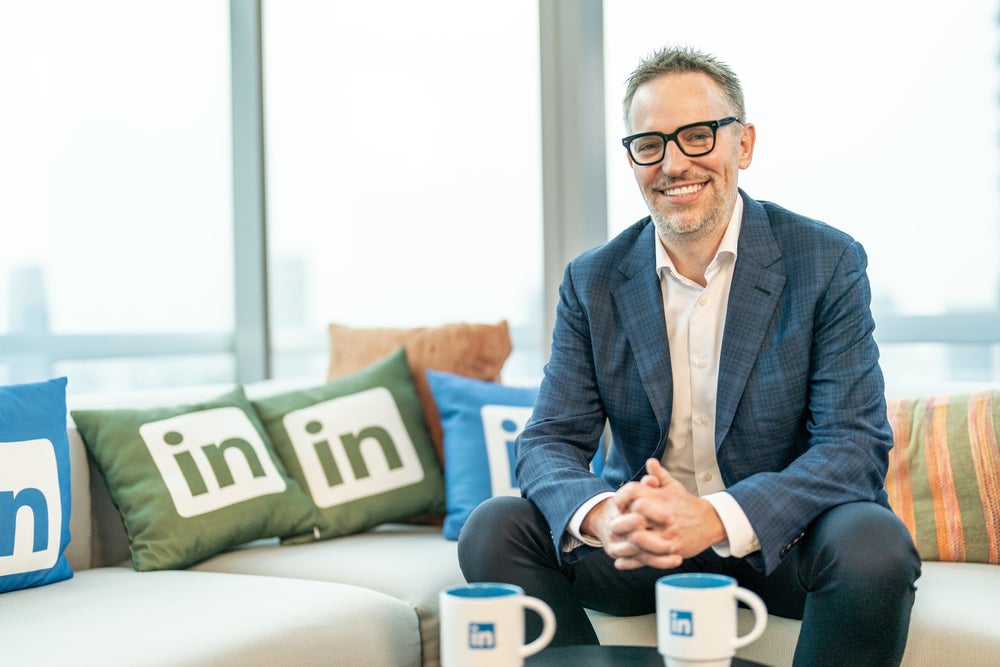
The numbers tell a clear story. LinkedIn members are now adding close to 30 million verifications to their profiles every year. Adoption is up more than 38 percent year over year in 2025, according to Oscar Rodriguez, LinkedIn’s vice president of trust products. That growth follows a milestone the company announced last week. More than 100 million members have now added at least one verification to their LinkedIn profile.
Verification on LinkedIn is no longer an experiment. It has become a central part of how the platform signals authenticity to recruiters, employers, and professionals navigating an increasingly crowded digital job market. The goal is simple. Make it easier to tell real people and real companies apart from everything else.
LinkedIn first introduced profile verification in 2022 as a response to growing concerns about trust across online platforms. Early efforts focused on workplace confirmation, often through company email addresses or internal credentials. Over time, the system expanded to include identity verification using government-issued IDs. LinkedIn later extended verification to company pages and job listings, adding another layer of accountability for employers and recruiters.
Most members who choose to verify their profiles still start with their workplace. Roughly 60 percent of verified users have confirmed an employer affiliation, typically through a company email address. Identity checks using government-issued IDs account for about 27 percent of verifications. The remaining share comes from other verification signals that help establish credibility on the platform.
This balance reflects how LinkedIn users think about trust. Many professionals are more comfortable confirming where they work than submitting personal identity documents. At the same time, identity verification is growing steadily as hiring fraud, impersonation scams, and fake recruiter accounts become more visible across social and professional networks.
Geographically, the United States still holds the largest share of verified LinkedIn members. About 40 percent of the more than 100 million verified users are based in the U.S. Other major markets include the United Kingdom, Canada, Brazil, and France. Yet none of those regions are growing as fast as India.
India has become LinkedIn’s fastest-growing market for profile verification in 2025. Adoption there has jumped roughly 80 percent over the past 12 months, according to the company. That surge is happening alongside India’s broader expansion on the platform. With more than 160 million LinkedIn users, India is already one of the company’s largest global markets.
The acceleration reflects deeper changes in how Indian professionals use LinkedIn. Remote work, cross-border hiring, freelancing, and global outsourcing have all expanded sharply. As more Indian workers connect with employers and clients outside the country, verification offers a way to stand out and build instant trust in competitive talent pools.
India’s influence is now shaping how LinkedIn evolves its trust features worldwide. Patterns that emerge in fast-growing markets often inform product priorities across the platform. In this case, rapid adoption in India is reinforcing the idea that verification is no longer optional for serious professional networking.
LinkedIn is also pushing verification beyond its own ecosystem. Earlier this year, the Microsoft-owned company launched its Verified on LinkedIn program. The initiative allows partner platforms to display LinkedIn verification badges directly within their own services. Zoom recently joined the program, following earlier partners such as Adobe and G2.
To support broader adoption, LinkedIn introduced a self-serve verification API. This makes it easier for external platforms to integrate LinkedIn’s verification signals into their products. The move positions LinkedIn as a trust infrastructure layer rather than just a social network, extending its influence across the professional software stack.
The company says the benefits of verification are already clear. Verified members see up to 60 percent more profile views compared with unverified users. Their posts generate roughly 50 percent more engagement. Verified company pages also perform better, attracting higher view counts and faster follower growth.
For recruiters and employers, verification plays an even more important role. Job listings connected to verified company pages and verified hiring managers show stronger integrity signals. LinkedIn says these listings maintain higher safety standards and reduce the risk of fraudulent job postings.
Rodriguez says verification helps solve a basic problem facing digital work platforms. As networks scale globally, trust becomes harder to maintain. Simple signals of authenticity can make a meaningful difference. Verified profiles are far more likely to represent real people. Verified companies and jobs are more likely to meet quality expectations.
In 2025, that trust premium matters more than ever. Hiring is increasingly remote. Professional relationships often start online and move fast. First impressions happen in seconds. A small badge can influence whether someone opens a message, applies for a job, or engages with a post.
LinkedIn’s verification push reflects a broader trend across the internet. Platforms are moving away from pure growth metrics and focusing more on quality, safety, and credibility. India’s rapid adoption shows how quickly user behavior can shift when trust becomes a competitive advantage rather than a background feature.
As verification continues to spread across profiles, companies, and third-party platforms, LinkedIn is quietly redefining how professional identity works online. What started as a simple workplace check is becoming a global trust standard, shaped in large part by the world’s fastest-growing digital workforce.