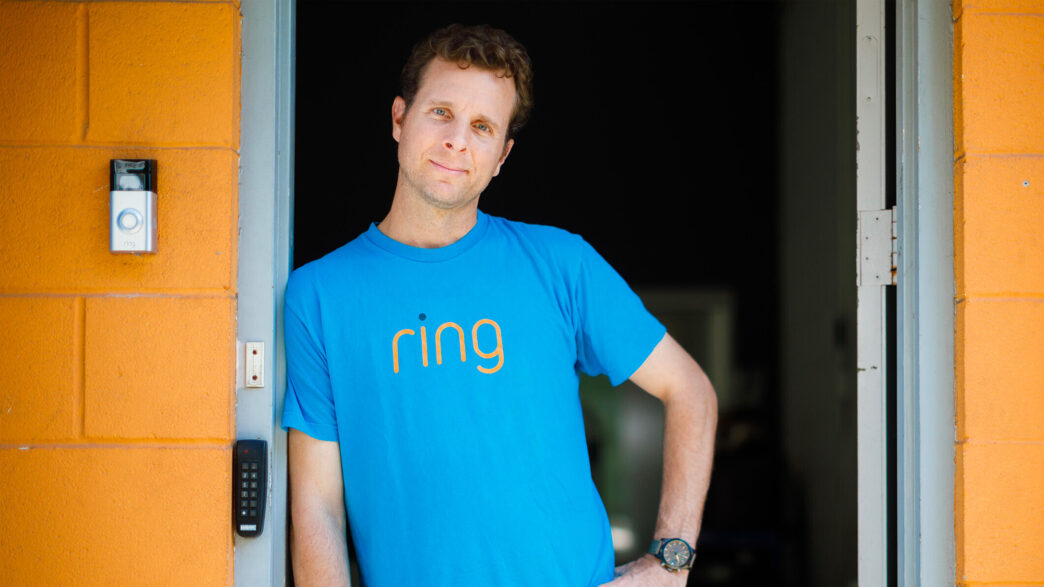
Ring intelligent assistant is entering a new phase as its founder returns with a bold AI-driven vision that reshapes what home security means. For Jamie Siminoff, the journey back to Ring was not driven by nostalgia alone. It was sparked by the rapid rise of artificial intelligence and a personal loss that burned through more than just property. When wildfires destroyed his garage in the Palisades area, the same space where Ring was first built, the moment forced a reset. It also reignited a mission that now centers on transforming Ring into an always-aware intelligent assistant.
Ring intelligent assistant is no longer limited to answering the door. Instead, it is designed to understand context, detect risk, and reduce mental effort for users across their daily lives. Siminoff believes AI should work quietly in the background, handling complexity so people do not have to. He describes this shift as reversing AI into IA, where intelligence assists instead of interrupts. That idea now defines Ring’s roadmap as it moves far beyond video doorbells.
Ahead of Consumer Electronics Show, Ring quietly rolled out a wave of AI-powered features that signal this transformation. These include alerts for unusual events, conversational AI that lets users ask questions about what their cameras see, early fire detection, and new recognition tools. Each feature pushes Ring closer to becoming a system that understands situations instead of just recording them. Together, they reflect a strategy built around anticipation, not reaction.
This renewed push came after Siminoff stepped away several years after selling Ring to Amazon. By then, Ring was profitable and stable. Still, the pace had taken a toll. He admits he never slowed down after the acquisition, choosing acceleration instead. When AI capabilities advanced rapidly, the pull back to Ring became impossible to ignore. He saw that the most exciting problems he wanted to solve already lived inside the Ring ecosystem.
The fires that damaged his home also shaped Ring’s newest public safety initiative. One feature, called Fire Watch, was inspired directly by that experience. Through a partnership with a nonprofit fire monitoring group, Ring intelligent assistant can now help identify smoke, embers, and flames in shared footage during major fire events. Users opt in to share relevant video, which helps responders map fire spread faster and allocate resources more effectively. AI acts as the filter, scanning footage at a scale humans never could.
Another new tool, Search Party, shows how Ring intelligent assistant can move beyond security into community problem-solving. The feature helps locate lost pets by matching user-submitted photos with Ring footage from nearby cameras. Participation is voluntary, and alerts only go out when a potential match appears. The results have exceeded expectations. Families are being reunited with lost dogs at a pace that surprised even Ring’s leadership, proving AI can deliver emotional wins, not just technical ones.
However, Ring intelligent assistant has also reignited debate around privacy and surveillance. Ring previously faced backlash over partnerships that allowed law enforcement to request user footage. Those earlier agreements were ended after customer pushback. More recently, Ring entered new integrations with companies like Flock Safety and Axon, bringing similar concerns back into focus.
Siminoff argues that control remains firmly with users. Law enforcement requests are broadcast anonymously, and agencies never know who receives them. Customers choose whether to share footage, and declining carries no penalty or visibility. He maintains that this balance allows communities to assist during emergencies without forcing participation or eroding trust.
He points to a December shooting near Brown University as an example of why such tools matter. In that case, Siminoff says a network of cameras, including Ring devices, helped authorities locate the suspect more quickly. He believes the ability for residents to share information rapidly played a meaningful role. From his perspective, avoiding these tools out of fear would leave communities less prepared during critical moments.
Even so, concerns continue to grow as private camera data becomes more valuable. Civil liberties advocates worry about long-term implications, especially if governments misuse access or expand surveillance beyond original intent. One feature drawing particular scrutiny is Familiar Faces. This tool allows Ring intelligent assistant to recognize frequent visitors, label them by name if the user chooses, and adjust alerts accordingly.
Groups like Electronic Frontier Foundation and some lawmakers have raised alarms about facial recognition in consumer devices. They warn about normalization and potential abuse. Siminoff counters that Familiar Faces is designed to reduce noise, not increase monitoring. By understanding who belongs in a home, the system can stay quiet unless something truly unusual happens.
Trust, he says, remains Ring’s most important asset. Cameras are only installed if users believe their privacy is respected. He argues there is no incentive for Ring to violate that trust because customers can remove devices at any time. The intelligent assistant model depends on long-term confidence, not short-term data grabs.
Ring intelligent assistant is also expanding into new environments. The company recently unveiled commercial-grade cameras, sensors, mounted systems, and even solar-powered security trailers. These products extend Ring’s reach to construction sites, campuses, festivals, parking lots, and business properties. As a result, Ring’s AI ambitions now span both private homes and public-facing spaces.
This expansion raises the stakes. The intelligent assistant must now adapt to vastly different contexts while maintaining consistent privacy controls. For Siminoff, the challenge is the same everywhere. AI should lower cognitive load, surface what matters, and fade away when it does not. Ring’s next chapter depends on proving that intelligence and restraint can coexist at scale.