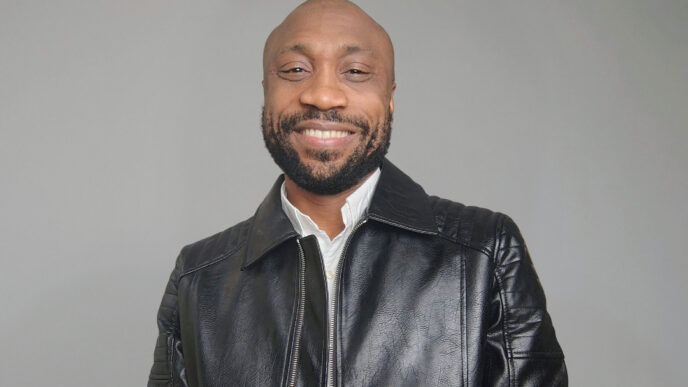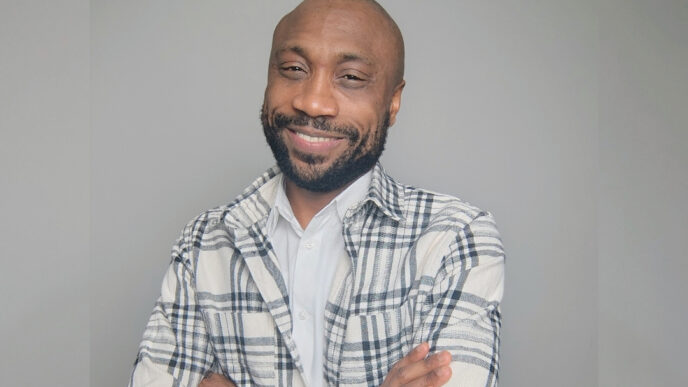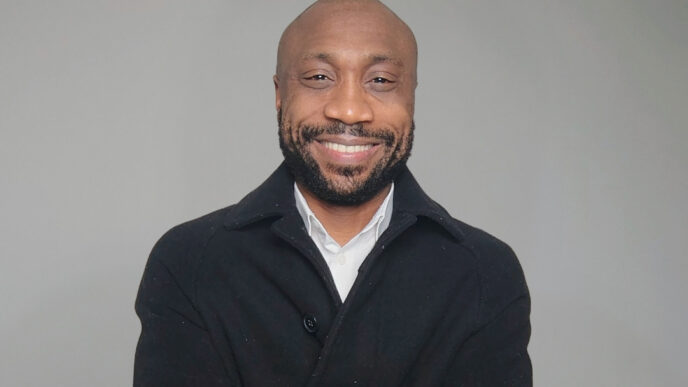
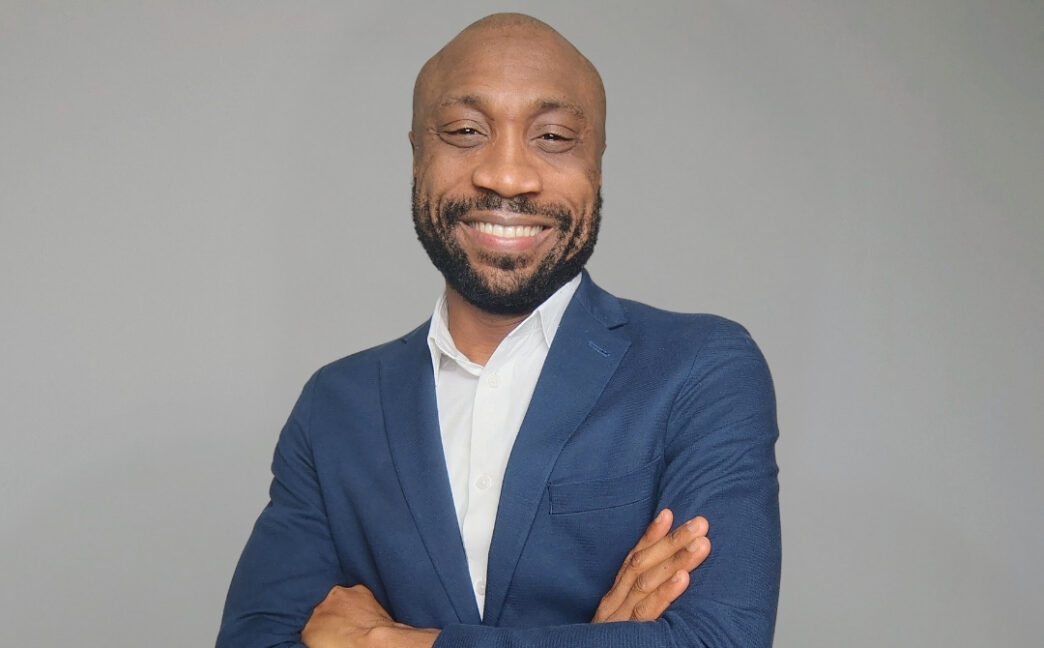
Building a startup often feels like navigating uncertainty with no safety net beneath you. Sam Ojei entered this conversation by questioning why founders are expected to carry so much risk, pressure, and emotional weight alone.
From the outside, entrepreneurship is often painted as exciting and empowering. Inside, it can feel exhausting. Founders face constant decision-making, unclear outcomes, and the responsibility of other people’s livelihoods. Even when progress is visible, anxiety rarely disappears. It simply changes shape.
This experience has become so common that the startup world treats it as normal. Struggle is praised. Hustle is glorified. Burnout is often dismissed as part of the process. Failure is reframed as a learning badge, even when it leaves deep scars behind.
Sam Ojei does not accept this framing.
Instead of seeing founder strain as inevitable, Sam Ojei is redefining startup creation by focusing on structure, shared execution, and long-term sustainability. His work challenges the idea that companies must be built through chaos to succeed. Through the Venture Studio model, he is offering founders a different starting point.
This matters because many startup problems do not come from weak ideas or incapable founders. They come from fragile systems. Founders are asked to build everything at once, often without the resources or support to do so well. Over time, this pressure compounds and leads to avoidable failure.
Sam Ojei views this as a design flaw rather than a personal shortcoming. If the system is broken, the solution is not tougher founders. It is better foundations.
Why the Traditional Startup Model Creates Unnecessary Risk
To understand Sam Ojei’s thinking, it helps to look closely at how startups are typically formed. In the traditional venture capital model, everything starts with a pitch. Founders present their vision. Investors assess potential. If the pitch succeeds, funding follows.
From that moment, expectations escalate quickly. Founders are pushed to move fast, hire early, build products, find customers, and scale before capital runs out. While investors may offer advice or introductions, operational responsibility remains almost entirely with the founder.
Legal setup, compliance, hiring, product strategy, and go-to-market planning all collide at once. For many founders, this phase feels overwhelming not because they lack ability, but because the system demands too much too early.
Venture capital relies on probability. Firms invest in many startups knowing most will fail. One major success justifies the losses. Financially, this logic works. Humanly, it often does not. Talented founders burn out. Promising ideas collapse early. Years of effort disappear because the foundation was never stable.
Sam Ojei challenges this acceptance of failure. He believes many startups fail not because they should, but because they were set up to. Instead of spreading bets thin, his approach focuses on building fewer companies with stronger structural support from the start.
This belief led Sam Ojei to embrace the Venture Studio model, but with a distinct evolution. In his framework, startups are not rushed into existence. Ideas are explored internally. Markets are studied carefully. Problems are clearly defined before solutions are built.
Demand is tested early using real-world signals. Only when a concept proves its relevance does a founder step in to lead execution. At that point, the company is no longer just an idea. It is a validated opportunity.
This changes the emotional starting point for founders. They are no longer gambling on hope. They are executing with clarity.
Sam Ojei also reframes the role of capital. Money alone does not build companies. Execution does. His studio provides operational strength alongside funding. Product teams, engineers, designers, marketers, and legal experts are already part of the system.
Founders do not need to assemble everything from scratch. This removes early chaos. It replaces guesswork with experience. Instead of learning through painful mistakes, founders build alongside people who have done it before.
How Sam Ojei Is Redefining Startup Creation in Practice
One of the most powerful effects of Sam Ojei’s approach is how it reshapes a founder’s daily reality. In traditional startups, founders juggle countless low-impact tasks just to keep the business alive. Payroll, contracts, tooling, and compliance drain attention away from strategy and customers.
In Sam Ojei’s ecosystem, these distractions are centralized. Shared infrastructure handles the basics. Founders focus on leadership, vision, and growth. This shift does more than save time. It protects mental clarity.
Founders think better when they are not constantly reacting to emergencies. Decisions improve. Communication becomes clearer. Momentum builds naturally instead of being forced.
Equally important is the environment Sam Ojei creates around founders. Instead of working in isolation, founders operate within a shared community. Challenges are discussed openly. Lessons move quickly between teams.
When one company solves a pricing problem, others learn from it. When a hiring mistake happens, the insight spreads before it repeats elsewhere. This collective learning reduces emotional strain and accelerates progress.
Founders stop feeling like they are failing alone. They begin to see challenges as part of a shared journey rather than personal shortcomings. Confidence grows steadily, grounded in progress instead of bravado.
Sam Ojei also brings discipline to growth. His studio follows a clear progression. Discovery comes first, identifying real market gaps. Validation follows, testing assumptions against data and unit economics. Only then does full-scale creation begin, with a founder leading execution.
As companies mature, they are prepared for independence. External funding becomes an accelerator, not a rescue tool. By the time outside investors step in, the business already has structure, traction, and direction.
This approach resonates strongly with experienced founders and executives. Many have already lived through chaotic early stages. They know that hustle alone does not guarantee success. What they want is leverage and focus. Sam Ojei’s model delivers both by removing unnecessary friction.
Across the broader startup ecosystem, priorities are shifting. Founders are speaking more openly about burnout and mental health. Investors are questioning growth-at-all-costs narratives. Sustainable company building is becoming a necessity rather than a preference.
In this environment, Sam Ojei’s work feels especially relevant. He is proving that ambitious companies can be built without breaking the people behind them. Structure does not limit creativity. It enables it. Support does not weaken founders. It strengthens them.
For anyone considering entrepreneurship, the message is clear. Building a company will always be challenging. But it does not need to be lonely, chaotic, or emotionally draining. Sam Ojei is redefining startup creation by showing that collaboration, structure, and empathy can coexist with speed and ambition.
The startup world is evolving. The myth of the lone founder is losing its grip. In its place is a more thoughtful, more human approach to building companies that last. Sam Ojei is not just part of that shift. He is helping define what comes next.