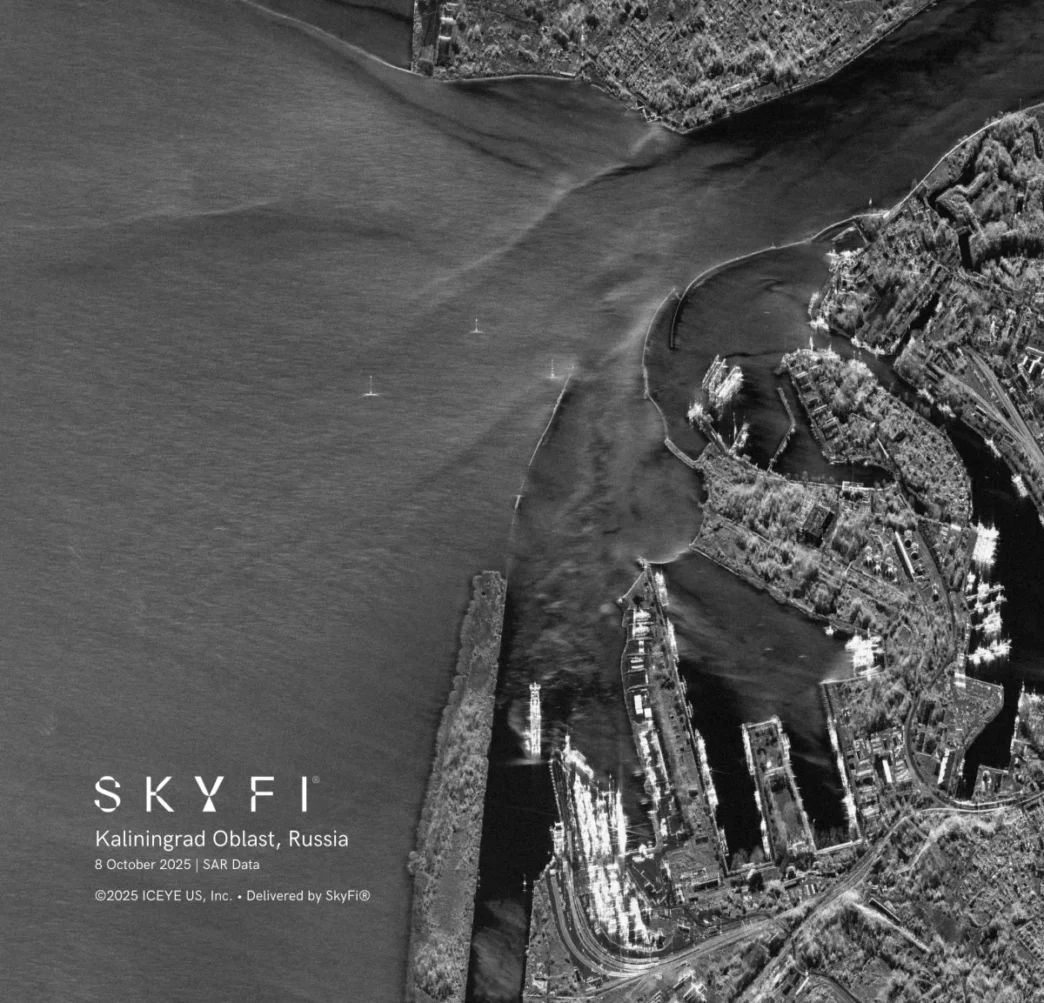
SkyFi satellite imagery insights are moving from raw pictures to real-world answers, and that shift is now attracting serious investor attention. Thousands of satellites circle the planet every day, capturing detailed views of cities, ports, farms, borders, and infrastructure. For years, accessing those images required long sales cycles, technical expertise, and fragmented vendor relationships. SkyFi changed that experience by turning satellite imagery into an on-demand digital product that feels familiar, fast, and usable.
Founded in Austin, SkyFi built its platform to operate like a global image marketplace for space-based data. Instead of negotiating with dozens of providers, customers can search, buy, and analyze imagery from more than 50 partners through a single interface. This simplicity unlocked demand across finance, insurance, defense, infrastructure planning, and climate research, where speed and clarity matter more than raw data volume.
As the market matured, SkyFi saw that imagery alone was no longer enough. Satellite photos are becoming commoditized as launch costs fall and constellations expand. Customers now want interpretation, not just pixels. That realization pushed SkyFi deeper into analytics, automated insights, and tasking tools that allow users to request new images of specific locations at precise times.
Chief executive Luke Fischer has described SkyFi’s mission as answer-driven rather than image-driven. The company focuses on delivering insights quickly, whether the customer is a hedge fund tracking supply chain activity or a government agency monitoring infrastructure changes. This emphasis on outcomes helped SkyFi accelerate adoption across both commercial and public-sector users.
Investor interest followed that traction. SkyFi recently closed a Series A round totaling twelve point seven million dollars, reflecting confidence in its software-first approach to geospatial intelligence. The round was co-led by Buoyant Ventures and IronGate Capital Advisors, highlighting SkyFi’s relevance across climate, defense, and enterprise markets.
Additional backing came from strategic and sector-focused investors. DNV Ventures joined the round, bringing deep ties to maritime, energy, and infrastructure industries. Beyond Earth Ventures and TFX Capital also participated, reinforcing SkyFi’s positioning at the intersection of commercial space and national security applications.
The funding process itself reflects broader market dynamics. SkyFi initially planned to raise a smaller round, but demand exceeded expectations. Defense and dual-use technology investment surged throughout the past year, and SkyFi’s platform sits squarely within that trend. By aggregating imagery and transforming it into insights, the company offers value without the capital intensity of building or launching satellites.
One of SkyFi’s biggest breakthroughs has been its relationship with imagery providers. Early on, convincing satellite operators to share data required trust-building and proof of demand. Today, onboarding new providers is routine. SkyFi now claims the largest virtual constellation in the market, spanning optical, radar, and other sensor types that cover nearly every commercial and government use case.
This breadth gives SkyFi a unique feedback loop. By processing thousands of customer requests, the platform learns what users want to observe, how often they need updates, and which signals matter most. That data fuels new analytics products that can be sold repeatedly, increasing margins while improving customer outcomes.
Fischer credits part of this thinking to his experience at Uber, where layered datasets revealed patterns in how people move through the world. SkyFi applies a similar logic to observation rather than transportation. Instead of tracking trips, it analyzes what people are watching on Earth and why those views matter.
Because SkyFi is software-driven, it avoids the heavy capital expenses associated with building hardware. The company does not need to launch satellites or maintain ground stations. That flexibility allows faster iteration, broader partnerships, and quicker expansion into new verticals. It also makes the platform more approachable for non-technical users.
Ease of use has become a defining feature. SkyFi’s web and mobile apps allow customers to search imagery, request new captures, and view analytics without specialized training. The interface lowers barriers for professionals and students alike, expanding the addressable market beyond traditional geospatial experts.
Some customers, such as quantitative hedge funds, prefer to run their own models on raw imagery. SkyFi supports that workflow by providing fast access and clean data delivery. Most users, however, increasingly rely on SkyFi’s built-in insights, which translate complex visual information into actionable conclusions.
These insights range from detecting changes at ports to monitoring construction progress or environmental impacts. By standardizing analytics across massive datasets, SkyFi helps organizations make decisions faster while reducing uncertainty. That capability is especially valuable in time-sensitive sectors like defense, insurance, and emergency response.
The new funding will support continued expansion of analytics, partnerships, and global reach. SkyFi plans to deepen its insight offerings while maintaining the simplicity that attracted early adopters. The company sees a future where satellite intelligence becomes as accessible as online maps, but far more powerful.
Perhaps the clearest sign of SkyFi’s usability comes from Fischer’s own household. He has shared that his teenage daughters use the app to task satellites for school projects directly from their phones. That anecdote underscores the company’s ambition to make space-based data intuitive rather than intimidating.
As satellites multiply and imagery floods the market, SkyFi satellite imagery insights position the company as a critical translator between orbit and Earth. By turning vast visual data into clear answers, SkyFi is shaping how governments, businesses, and individuals understand the world from above.