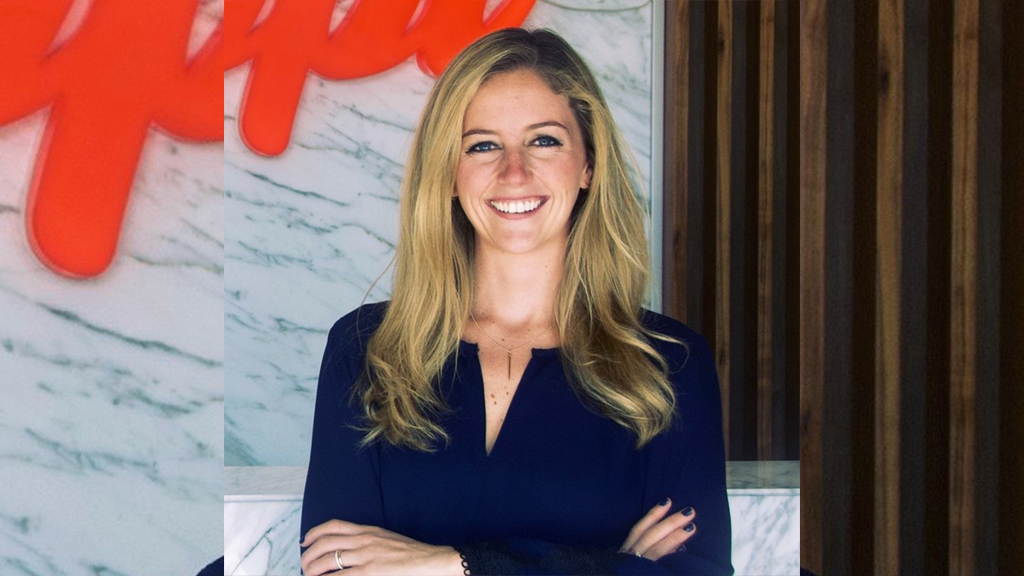
Caroline Merin spent years helping Latin America fall in love with on-demand services. As Uber Eats’ first general manager in the region and later COO of Rappi, she helped shape how millions ordered food and essentials with a tap. But while delivery apps raced ahead, healthcare stayed stuck in another era.
That gap became impossible to ignore once Merin looked at medicine through a patient’s eyes. In much of Latin America, WhatsApp has become the default channel for doctor communication. Patients expect fast replies, even late at night. Doctors, meanwhile, juggle hundreds of messages without structure, context, or medical records in front of them.
That imbalance is what led Merin to launch Leona Health. Now, the startup has raised $14 million in seed funding, marking one of the most notable early-stage healthtech rounds in the region this year. The round was led by Andreessen Horowitz, with participation from General Catalyst and Accel, alongside high-profile operators including Maven Clinic CEO Kate Ryder, Nubank CEO David Vélez, and Rappi CEO Simón Borrero.
Leona Health funding reflects growing investor confidence in tools that modernize healthcare workflows outside the U.S., especially in markets where messaging apps dominate daily life. The startup’s product is an AI-powered copilot that integrates directly with doctors’ existing WhatsApp accounts, without forcing patients to change how they communicate.
For physicians, WhatsApp has become both essential and exhausting. A typical doctor may see dozens of patients during the day, only to return home to a flood of messages that range from urgent medical concerns to routine administrative requests. Sorting through that chaos often spills into evenings and weekends, turning constant availability into an unspoken job requirement.
Leona changes that dynamic by moving message management out of WhatsApp and into its own mobile app. Patients still send messages the same way they always have. Doctors, however, receive those messages in an organized dashboard that prioritizes urgency, suggests responses, and keeps conversations tied to the right patient context.
The platform also allows other members of a medical team, including nurses or administrative staff, to reply on a doctor’s behalf. That shared workflow reduces bottlenecks while ensuring serious cases reach the right person quickly.
According to Merin, this is especially critical in Latin America, where patients often choose doctors based on their willingness to communicate via WhatsApp. Accessibility and responsiveness have become part of a physician’s reputation, even when the tools supporting that communication are inadequate.
Leona’s system separates critical health issues from lower-priority tasks like appointment receipts, school letters, or follow-up paperwork. Doctors receive immediate alerts only for cases that truly need attention, while routine messages can wait or be handled by staff.
Early feedback suggests the impact is tangible. Physicians using Leona report saving two to three hours per day, time that would otherwise be spent scrolling through chats, searching for context, or responding to non-urgent requests late at night.
The startup’s momentum extends beyond fundraising. Leona is now live in 14 Latin American countries, supporting doctors across 22 medical specialties. That rapid rollout highlights how widespread the problem is and how eager clinicians are for a better solution.
The company is also preparing to launch a fully autonomous AI agent designed to handle conversational scheduling and basic patient intake. This next step aims to offload even more routine work, allowing doctors to focus on care rather than coordination.
While Leona is starting in Latin America, its ambitions stretch further. In many regions outside the United States, patients are legally allowed and culturally conditioned to communicate with doctors through WhatsApp or similar platforms. That creates a global opportunity that looks very different from the U.S. healthcare software market, which revolves around electronic medical records like Epic.
Merin sees Leona as infrastructure for this WhatsApp-first reality. Instead of forcing doctors and patients into rigid systems, the startup adapts to how people already communicate, then layers intelligence and structure on top.
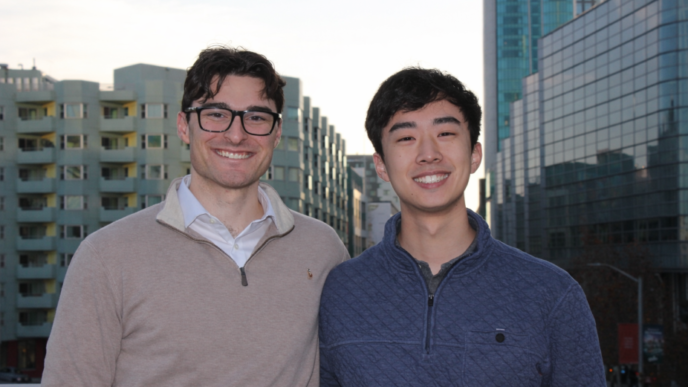
The company’s team currently numbers 13, split between Mexico City and Silicon Valley. That setup reflects Leona’s dual focus on regional healthcare needs and cutting-edge AI development, with engineering talent anchored in the Bay Area.
Leona Health funding also signals a broader shift in how investors view Latin American healthtech. Rather than copying U.S. models, startups like Leona are building solutions native to local behavior, regulations, and patient expectations.
For Merin, the mission remains simple. Doctors should not have to be on call around the clock just to keep up with messages. Patients deserve timely responses without burning out the people caring for them.
If Leona succeeds, it could redefine how digital communication works in healthcare across entire regions. And in a world where WhatsApp has become the waiting room, that shift may be long overdue.